Most Read
6 min read
California ADU Permits

Published
October 20, 2026
Published
October 20, 2026
Building an ADU in California starts with more than choosing a floor plan.
Before construction begins, homeowners typically need a complete project package that addresses the property, site plan, ADU design, engineering, foundation, utilities, and applicable local requirements.
California has established statewide rules that make ADU approval primarily a ministerial process when a project complies with applicable objective standards. However, the actual application still needs to be complete and properly prepared.
California's Department of Housing and Community Development (HCD) updated its ADU Handbook in March 2026, incorporating changes to state ADU law effective January 1, 2026.
For homeowners, understanding the permitting process before starting can help avoid delays, redesigns, and unexpected costs.
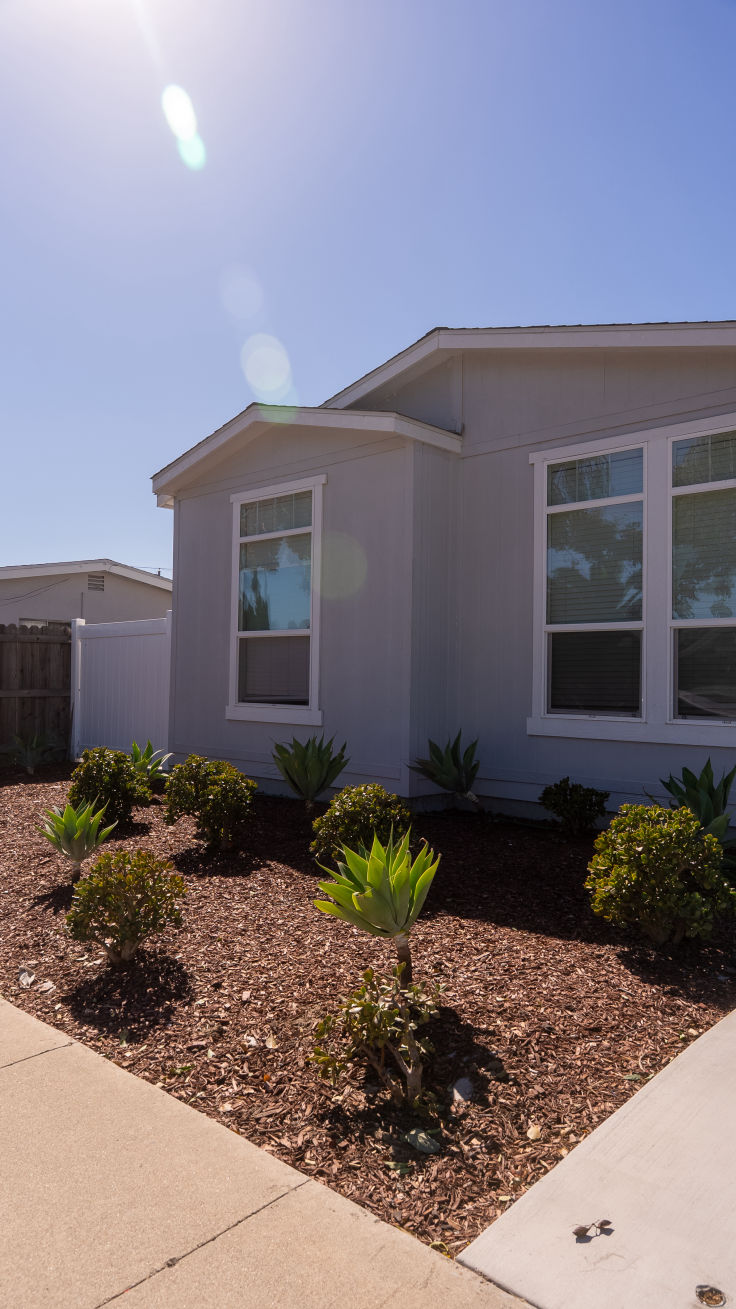
Before construction begins, homeowners typically need a complete project package that addresses the property, site plan, ADU design, engineering, foundation, utilities, and applicable local requirements.
California has established statewide rules that make ADU approval primarily a ministerial process when a project complies with applicable objective standards. However, the actual application still needs to be complete and properly prepared.
California's Department of Housing and Community Development (HCD) updated its ADU Handbook in March 2026, incorporating changes to state ADU law effective January 1, 2026.
For homeowners, understanding the permitting process before starting can help avoid delays, redesigns, and unexpected costs.
An ADU permit is the approval required to construct or create an accessory dwelling unit on a property.
An ADU generally provides independent living facilities, including space for:
ADUs can be attached, detached, or created by converting existing space. California's definition also includes manufactured homes used as ADUs.
The permit process confirms that the proposed project complies with applicable requirements before construction proceeds.
Although requirements vary by jurisdiction and property, the process generally follows these stages:
The exact process can differ depending on the city or county, the type of ADU, and the property's conditions.
A complete application generally needs enough information for the permitting agency to evaluate the proposed project against applicable requirements.
Depending on the project, this may include:
For manufactured ADUs, the process can be different because the home is constructed under the applicable manufactured housing requirements.
Backyard Home Company's manufactured ADU process includes preparation of City or County applications, civil engineering, geotechnical reports where required, building plans, and California-approved foundation plans.
No.
California law generally requires qualifying ADU applications to be reviewed ministerially, meaning they are evaluated against objective standards rather than through discretionary review or a public hearing.
That does not mean every application is automatically approved.
The plans still need to demonstrate compliance with the applicable requirements.
If a completed ADU application is denied, the permitting agency must provide written comments identifying deficiencies and explaining how the application can be corrected.
For qualifying ADU applications, California law generally requires the permitting agency to approve or deny a completed application within 60 days when there is an existing single-family or multifamily dwelling on the lot.
The important word is completed.
If required information is missing or the application needs corrections, the project may take longer overall.
Backyard Home Company's published manufactured ADU information has historically estimated approximately 2–4 months for City processing, but that is a company-specific historical planning estimate rather than a guarantee for every current project.
California establishes statewide ADU rules, but local jurisdictions can still apply certain objective development and design standards.
These can include requirements related to:
State law limits how restrictive local ADU requirements can be. For example, current California law generally requires local standards to allow at least an 800-square-foot ADU with four-foot side and rear setbacks under specified circumstances.
The exact requirements should therefore be checked with the city or county where the property is located.
Yes. Manufactured ADUs are built under the HUD Code, and their construction and installation involve a different regulatory framework from conventional site-built construction.
Backyard Home Company's manufactured ADU materials explain that the homes are constructed under the HUD Code and use approved foundation plans. The company also coordinates the City or County applications and permitting process.
The installation itself is also subject to inspection by the local building department. California HCD confirms that factory-built housing is inspected at the factory and that installation of factory-built housing or components is subject to local building department inspection.
A floor plan that works on one property may not work on another.
Missing site information, engineering or other required documentation can create additional review cycles.
California's statewide ADU law establishes important protections, but applicable local objective standards still need to be addressed.
The ADU structure is only one part of the project. Foundation design and engineering are critical, particularly for manufactured ADUs.
Permit fees are only one part of the overall ADU budget. Engineering, site work, foundation, utilities, construction and installation can also affect the final cost.
Backyard Home Company takes a design-build approach, coordinating the development process rather than simply providing an ADU structure.
For manufactured ADUs, its process can include:
TBHC's published materials specifically describe preparing the necessary applications, engineering, building plans and foundation plans needed to obtain a building permit.
This integrated approach helps connect the permitting process with the actual construction and installation requirements.
Getting the permit right is one of the most important steps in an ADU project.
The right plans, engineering, foundation design, and documentation can help move the project through the approval process more efficiently.
Backyard Home Company helps California homeowners manage the process from planning and engineering through permitting, foundation, construction and installation.
Yes. Constructing an ADU generally requires the applicable permits and approvals from the local permitting agency.
For qualifying completed ADU applications, state law generally requires the permitting agency to approve or deny the application within 60 days when there is an existing single-family or multifamily dwelling on the lot.
An ADU application can be denied if it does not comply with applicable requirements. When a completed application is denied, the agency must provide written comments identifying the deficiencies and explaining how they can be corrected.
Yes. The permitting agency needs sufficient plans and documentation to evaluate the proposed ADU. The exact requirements depend on the project and jurisdiction.
Yes. Manufactured ADUs still require the applicable approvals, site work, installation and inspections.
The state establishes ADU requirements, but cities and counties can have their own compliant objective standards and permitting procedures. Requirements should therefore be confirmed with the jurisdiction where the property is located.
Construction should not be started without the permits and approvals required for the work. Some site preparation activities may be able to begin earlier in specific circumstances, but this should be confirmed for the particular project and jurisdiction.
We proudly serve homeowners throughout Southern California with complete design-build manufactured ADU solutions.
© Copyright 2030 Accessory Housing Partners Llc - All Rights Reserved
This website is designed and managed by Eleana Inc.