TBHC Blog
Article
Backyard Guest House vs. ADU: What's the Difference?

Published
November 9, 2026
Published
November 9, 2026
Backyard guest house vs. ADU: Learn the differences, California requirements, rental options, and how to choose the right backyard home for your property.
A backyard guest house and an Accessory Dwelling Unit (ADU) may look similar, but they are not always the same thing. The main difference is that an ADU is a legally defined residential unit with independent living facilities, while a guest house is a more general term that can describe different types of structures.
If you are considering adding a separate living space to your property, understanding this distinction can help you determine what type of structure you need and what requirements may apply.
Whether you want to accommodate visiting family, create a separate home for your parents, or explore a long-term rental opportunity, the right backyard housing option depends on how you plan to use the space.
A backyard guest house is a general term used to describe a separate living or sleeping space located on the same property as a primary residence.
Homeowners may use a guest house to accommodate:
The term itself does not automatically establish whether the structure is a legal dwelling unit.
Some guest houses are designed primarily for sleeping and recreation, while others may include a kitchen, bathroom, and independent living facilities.
The intended use and the structure's features can affect how the local jurisdiction classifies it.
An Accessory Dwelling Unit is a secondary residential unit located on the same property as an existing or proposed primary residence.
Under California's ADU framework, an ADU generally provides complete independent living facilities, including provisions for:
ADUs can take several forms:
Unlike a general guest house, an ADU is intended to function as an independent residence.
It may be used for family housing or long-term rental, subject to applicable regulations.
The most important difference is the intended use and legal classification of the structure.
A structure marketed as a guest house may qualify as an ADU if it meets the relevant legal definition and requirements.
However, simply calling a structure a guest house does not make it exempt from building or land-use regulations.
California allows ADUs in many residential settings, subject to state law and applicable local regulations.
Whether a proposed guest house can be built depends on factors such as:
Homeowners should check with their local planning and building departments before beginning construction.
If the goal is to create a separate residence with independent living facilities, an ADU may be the appropriate option to explore.
The answer depends on how you plan to use the space.
A guest accommodation may be sufficient, depending on its design and permitted use.
For example, a space intended primarily for overnight guests may have different requirements from a separate residential unit.
An ADU may be a better option because it is designed to provide independent living facilities.
This can be particularly useful for:
A permitted ADU may offer a suitable housing option, subject to rental restrictions and local regulations.
Homeowners should understand the applicable rental requirements before planning a backyard home as an investment property.
Consider how the structure could be used in the future.
A space initially intended for family may later serve another housing purpose, provided the future use is legally permitted.
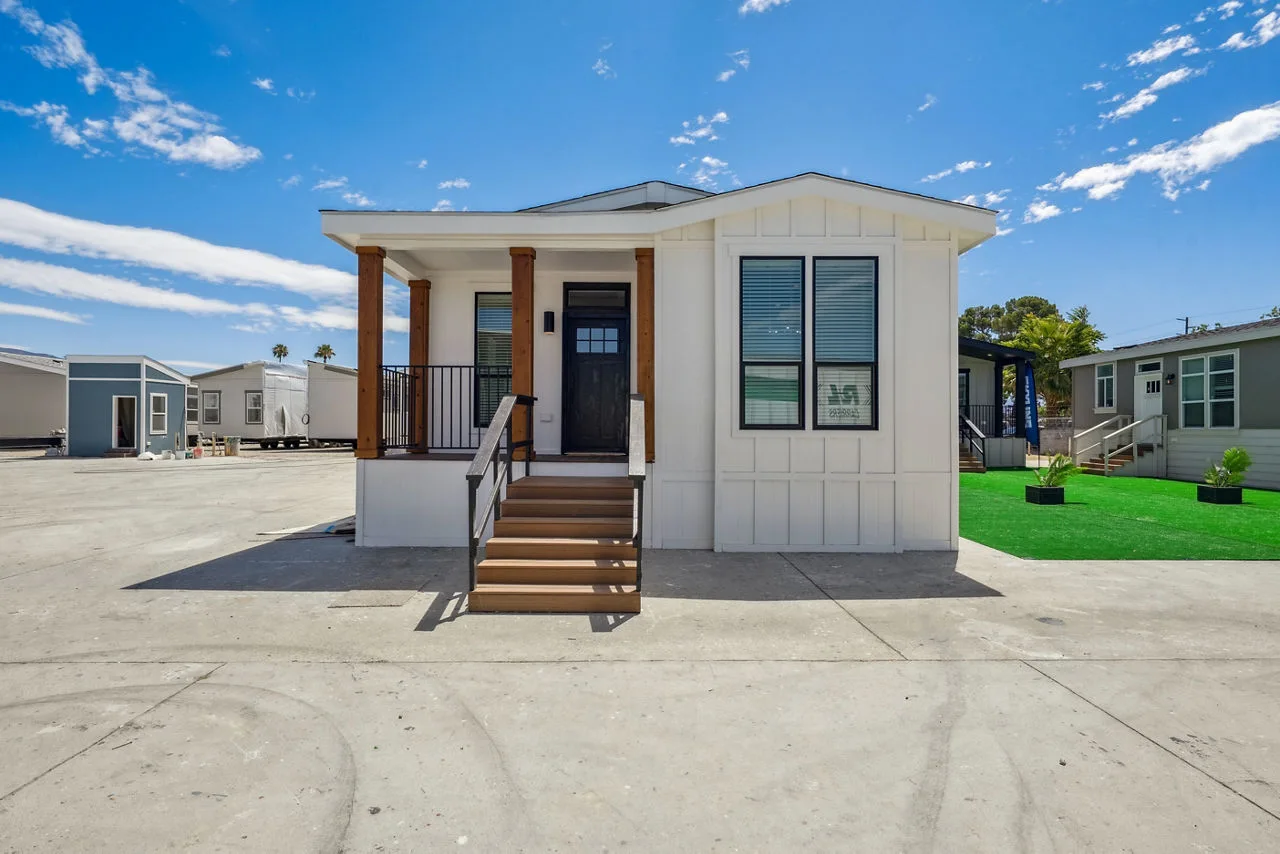
Before deciding between a guest house and an ADU, consider the following:
Determine whether the space will be used for occasional guests, family members, long-term housing, or rental purposes.
If you want the space to function as a separate home, consider the kitchen, bathroom, living area, and other features needed for independent living.
The available space, access, utilities, and site conditions can influence what type of structure may be appropriate.
The legal classification and permitted use of the structure must comply with the applicable requirements.
Think about whether the space may serve a different purpose as your household's needs change.
The Backyard Home Company helps California homeowners explore backyard housing options, including manufactured ADUs.
Our services include:
We understand that creating a backyard home involves more than selecting a structure.
The project also requires evaluating the property, coordinating approvals, and completing the work needed to install the home.
Our team can help you explore options based on your property and your goals.
Whether you are planning a guest space, a family home, or a separate dwelling, understanding your options is the first step.
The Backyard Home Company can help you explore manufactured ADU options and discuss the next steps for your property.
Schedule a consultation with The Backyard Home Company.
Not necessarily. A guest house is a general term, while an ADU is a legally defined residential unit.
That depends on its design and permitted classification. A structure with independent living facilities may be considered an ADU under applicable rules.
Rental use depends on the structure's legal classification and applicable regulations. A permitted ADU may generally be rented subject to rental restrictions.
Many structures require building permits or other approvals. Requirements depend on the structure, location, and intended use.
A manufactured home may be used as an ADU when the home, installation, property, and project comply with applicable requirements.
These terms are often used informally to describe additional living spaces. Their legal classification depends on the structure, intended use, and applicable regulations.
If you are considering a backyard home for guests, family, or another housing purpose, the first step is understanding your property's potential.
The Backyard Home Company can help you explore manufactured ADU options and discuss the next steps.
Contact our team to schedule a consultation and explore your options.
Find out how The Backyard Home Company can help you plan your project.
Schedule a Free ADU Consultation
We proudly serve homeowners throughout Southern California with complete design-build manufactured ADU solutions.
© Copyright 2030 Accessory Housing Partners Llc - All Rights Reserved
This website is designed and managed by Eleana Inc.