Most Read
6 min read
Manufactured Homes as ADUs in California

Published
October 2, 2026
Published
October 2, 2026
We craft unique brand identities and digital designs.
Yes. A manufactured home can be used as an ADU in California.
California's Department of Housing and Community Development (HCD) confirms in its March 2026 ADU Handbook that an ADU includes a manufactured home.
This is important because manufactured housing is sometimes confused with mobile homes or assumed to be incompatible with California ADU regulations.
A manufactured ADU is a real residential dwelling that can provide independent living space while being constructed primarily in a factory and installed on a residential property.
For homeowners considering a backyard home, the key question is not whether manufactured homes can be ADUs. They can.
The important questions are how they are regulated, how they are installed, and whether a manufactured ADU is appropriate for your property.
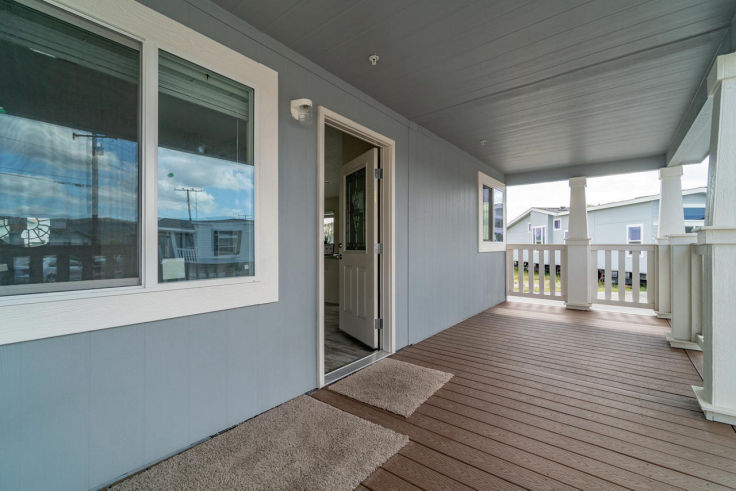
A manufactured home is a factory-built home constructed according to the Federal Manufactured Home Construction and Safety Standards, commonly known as the HUD Code.
Federal HUD standards govern manufactured homes built on or after June 15, 1976. California HCD also regulates manufactured housing through the state's Manufactured Housing Act and related regulations.
Instead of constructing the entire home at the property, much of the construction takes place in a controlled factory environment.
The completed sections are then transported to the property and installed on an appropriate foundation.
Yes.
California's current ADU law specifically includes manufactured homes within the definition of an ADU. HCD's 2026 handbook states:
"Can a manufactured home be used as an ADU? Yes."
HCD also explains that an ADU is a secondary dwelling with independent living facilities, including provisions for living, sleeping, eating, cooking and sanitation.
This means a qualifying manufactured home can serve the same basic housing function as other types of ADUs.
The process is different from traditional site-built construction.
Instead of constructing the entire home in the backyard, the home is substantially completed at the factory.
A typical process involves:
This approach can reduce the amount of construction that takes place on the property.
Backyard Home Company manages the broader development process around the manufactured home, including planning, engineering, permitting, foundation and installation.
Yes.
A manufactured home must be properly installed on an appropriate foundation or supporting system.
The foundation is an important part of the project because it connects the manufactured home to the property and must be designed around the specific home and site conditions.
Backyard Home Company's manufactured ADU installation process includes engineered foundation systems, placement of the manufactured sections and connections to site utilities.
Learn more about Manufactured ADU Installation & Foundation →
Yes.
Using a manufactured home does not eliminate the need for the appropriate approvals.
The project may involve:
California's current building standards and manufactured housing requirements apply depending on the construction and installation involved. HCD notes that the 2025 California Building Standards Code became effective January 1, 2026.
Local requirements can also affect the development process.
For the right property, manufactured construction can offer several advantages.
Much of the home is constructed in a controlled environment rather than being exposed to changing site conditions and weather.
Because much of the home is completed before delivery, the installation phase can be more streamlined than building the entire structure on-site.
Factory production can create efficiencies in materials, labor and construction management.
A manufactured ADU can provide a full independent dwelling with a kitchen, bathroom, living areas and bedrooms, rather than simply being an accessory structure.
A manufactured ADU can be an excellent option, but it isn't automatically the best solution for every property.
Before choosing one, evaluate:
The best way to determine feasibility is through a property-specific evaluation.
A manufactured home can legally serve as an ADU in California, but successfully developing one requires more than purchasing a factory-built home.
Backyard Home Company helps homeowners manage the process from planning and engineering through permitting, foundation, delivery and installation.
Let's determine whether a manufactured ADU makes sense for your property.
Yes. California law specifically includes manufactured homes within the definition of an ADU.
A HUD Code ADU is a manufactured home constructed according to the federal Manufactured Home Construction and Safety Standards and used as an accessory dwelling unit.
Yes. Manufactured homes can be used as ADUs when the applicable state and local requirements are satisfied.
Yes. The home must be properly installed on an appropriate foundation or supporting system.
Yes. The project still requires the applicable permitting, engineering, installation and inspection processes.
They can be, depending on the property and project scope. Factory construction may create efficiencies, but foundation, utilities, permitting, site preparation and installation still contribute to the total project cost.
Yes, depending on the manufacturer and floor plan. Backyard Home Company offers manufactured housing with a range of floor plans and customization options.
Yes, a manufactured home can be an ADU in California. Learn how HUD Code manufactured ADUs work, including installation, permits, foundations, and regulations.
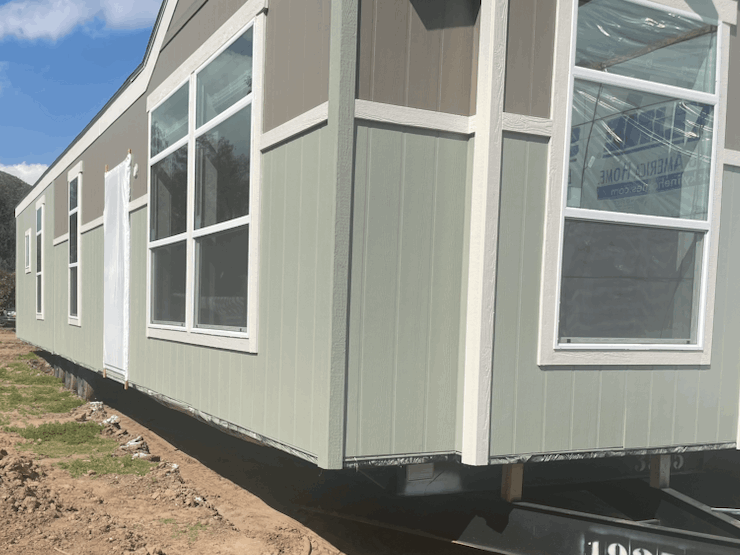
How much does an ADU cost in California in 2026? Learn about ADU construction, permits, foundation, utilities, site work, and manufactured ADU costs.
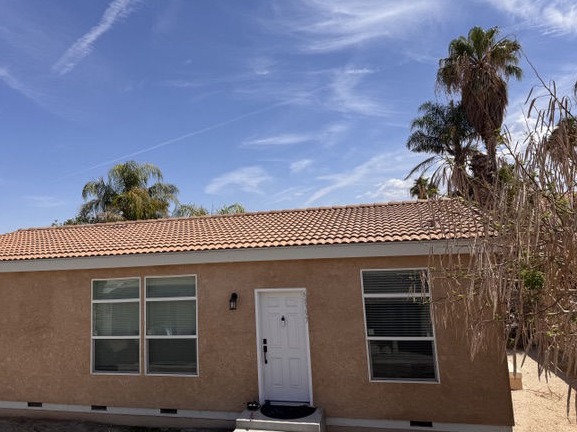
Manufactured vs. modular vs. site-built ADUs: learn how they differ in construction, regulations, cost, timelines, and which option may fit your California property.
We proudly serve homeowners throughout Southern California with complete design-build manufactured ADU solutions.
© Copyright 2030 Accessory Housing Partners Llc - All Rights Reserved
This website is designed and managed by Eleana Inc.