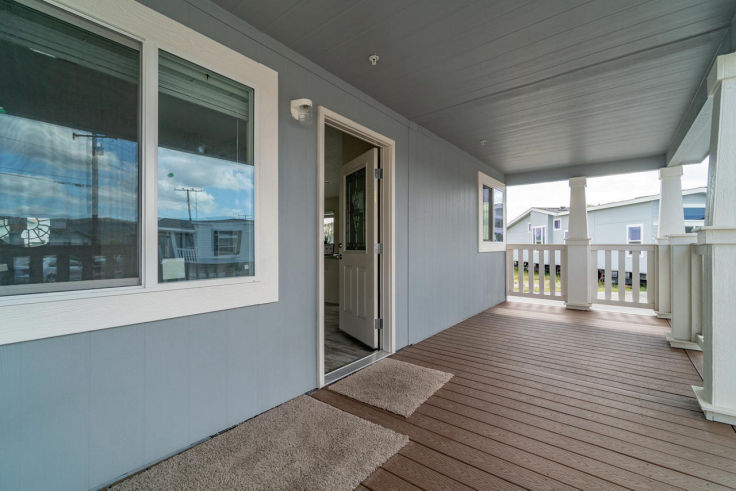
Most Read 15 min read

Manufactured vs. Modular vs. Site-Built ADUs

Author

the Team

Published

September 29, 2026

Manufactured vs. Modular vs. Site-Built ADUs: What's the Difference in California?

If you're researching an ADU in California, you've probably encountered terms like manufactured, modular, prefab, factory-built, and site-built.

These terms are sometimes used interchangeably, but they describe different construction approaches and, in California, can involve different regulatory frameworks.

The simplest distinction is:
- Manufactured ADU: Built in a factory under the federal HUD Code and transported to the property.
- Modular or factory-built ADU: Constructed partly or substantially off-site and designed to comply with applicable California building standards.
- Site-built ADU: Constructed primarily at the property using conventional on-site construction.

California's Department of Housing and Community Development (HCD) recognizes factory-built housing as residential construction manufactured off-site and transported to its permanent installation location. California law also specifically recognizes a manufactured home as a type of ADU.

The right option depends on your property, budget, design goals, timeline, and the type of construction you want.

Manufactured ADU

What Is a Manufactured ADU?

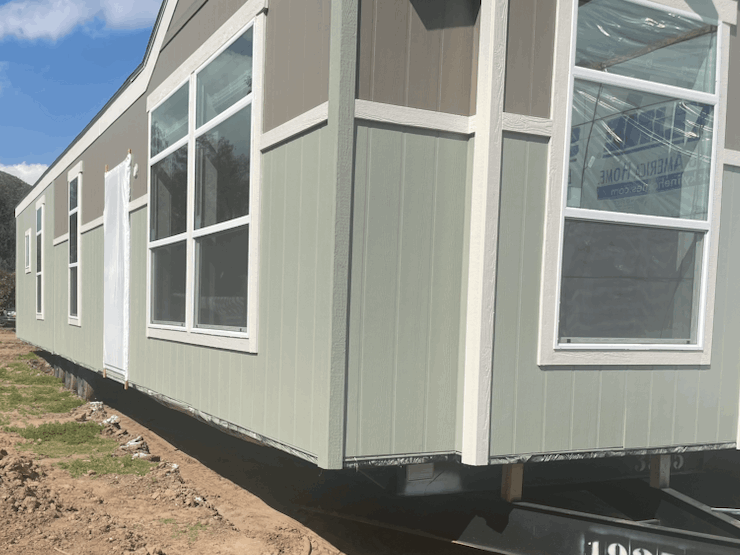
A manufactured ADU is built in a factory and constructed according to the HUD Code, the federal construction standard administered by the U.S. Department of Housing and Urban Development.

Instead of building the entire home at the property, most of the construction happens in a controlled factory environment.

The finished sections are then transported to the property and installed on a foundation.

California HCD explains that manufactured homes are built off-site, transported in one or more sections, and assembled on-site.

Backyard Home Company's manufactured ADUs are built by selected manufacturers, including Golden West Homes and Skyline Homes, to TBHC specifications. The company manages the broader development process, including applications, engineering, foundation plans and site preparation.

Key characteristics

- Factory construction
- HUD Code construction
- Transported to the property
- Installed on an engineered foundation
- Less on-site construction than a traditional ADU
- Available in standard and customized floor plans

California HCD confirms that manufactured homes can be used as ADUs.

What Is a Site-Built ADU?

A site-built ADU is constructed primarily at the property.

Instead of transporting a completed home or large factory-built sections to the site, the construction process takes place on the homeowner's property.

A typical site-built process may include:

1. Site preparation
2. Foundation construction
3. Framing
4. Roofing
5. Exterior construction
6. Plumbing and electrical installation
7. Interior construction
8. Finishes
9. Inspections
10. Final completion

This approach can provide a high level of flexibility because the home is designed and constructed specifically for the property.

However, it also means more construction activity occurs on-site.

Manufactured vs. Modular vs. Site-Built ADU: Key Differences

Feature Manufactured Modular / Factory-Built Site-Built
Main construction location Factory Factory + site Property
Regulatory framework HUD Code California building standards / applicable FBH requirements California Building Code
Transported to property Yes Yes Materials only
Factory construction High High Limited
On-site construction Lower Moderate High
Customization Depends on manufacturer Generally high Highest
Foundation required Yes Yes Yes
Factory quality control Yes Yes Primarily site-based
Site conditions still matter Yes Yes Yes

The important takeaway is that factory-built does not mean site-free.

All three approaches still require the property to be evaluated for access, utilities, foundation requirements, setbacks, grading and other site conditions.

Key characteristics

- Factory construction
- HUD Code construction
- Transported to the property
- Installed on an engineered foundation
- Less on-site construction than a traditional ADU
- Available in standard and customized floor plans

California HCD confirms that manufactured homes can be used as ADUs.

What Is a Manufactured ADU?

A manufactured ADU is built in a factory and constructed according to the HUD Code, the federal construction standard administered by the U.S. Department of Housing and Urban Development.

Instead of building the entire home at the property, most of the construction happens in a controlled factory environment.
The finished sections are then transported to the property and installed on a foundation.

California HCD explains that manufactured homes are built off-site, transported in one or more sections, and assembled on-site.

Backyard Home Company's manufactured ADUs are built by selected manufacturers, including Golden West Homes and Skyline Homes, to TBHC specifications. The company manages the broader development process, including applications, engineering, foundation plans and site preparation.

What Is a Modular ADU?

The word "modular" is often used broadly to describe homes constructed in a factory and assembled at the property.

In California, however, the terminology matters.

HCD defines factory-built housing as residential construction that is wholly or substantially manufactured off-site and then assembled or installed at the building site according to applicable California building standards.

Unlike a manufactured home, a factory-built or modular-style residential structure is not simply a HUD Code home.

Depending on the specific product, construction can involve:

  • Factory-built modules
  • Panels
  • Building components
  • Partially completed sections
  • On-site assembly

The exact regulatory pathway depends on the type of factory-built product being used.

This is why homeowners should ask a builder what code and approval system the home is actually built under, rather than relying only on the word "modular."

What Is a Site-Built ADU?

A site-built ADU is constructed primarily at the property.

Instead of transporting a completed home or large factory-built sections to the site, the construction process takes place on the homeowner's property.

A typical site-built process may include:

  1. Site preparation
  2. Foundation construction
  3. Framing
  4. Roofing
  5. Exterior construction
  6. Plumbing and electrical installation
  7. Interior construction
  8. Finishes
  9. Inspections
  10. Final completion

This approach can provide a high level of flexibility because the home is designed and constructed specifically for the property.

However, it also means more construction activity occurs on-site.

Manufactured vs. Modular vs. Site-Built ADU: Key Differences

Feature Manufactured Modular / Factory-Built Site-Built
Main construction location Factory Factory + site Property
Regulatory framework HUD Code California building standards / applicable FBH requirements California Building Code
Transported to property Yes Yes Materials only
Factory construction High High Limited
On-site construction Lower Moderate High
Customization Depends on manufacturer Generally high Highest
Foundation required Yes Yes Yes
Factory quality control Yes Yes Primarily site-based
Site conditions still matter Yes Yes Yes

The important takeaway is that factory-built does not mean site-free.

All three approaches still require the property to be evaluated for access, utilities, foundation requirements, setbacks, grading and other site conditions.

Which ADU Construction Method Is More Affordable?

There is no universal answer.

The cost of an ADU depends on much more than the construction method.

Factors can include:

  • ADU size
  • Floor plan
  • Property conditions
  • Foundation
  • Utility connections
  • Engineering
  • Permits
  • Site preparation
  • Finishes
  • Delivery
  • Installation

Manufactured ADUs can offer cost advantages because construction takes place in a controlled factory environment.

Backyard Home Company's documentation identifies several potential reasons its manufactured ADUs can cost less than its site-built products, including factory purchasing power, reduced weather exposure, lower site supervision requirements and the inclusion of certain plans and engineering in the factory process.

The important comparison is therefore not simply:

Manufactured home price vs. site-built construction price.

It should be:

Total manufactured ADU project cost vs. total site-built ADU project cost.

Which Option Is Faster?

Factory construction can reduce the amount of construction that needs to happen at the property.

For example, TBHC's published manufactured housing process describes approximately 6–8 weeks of factory production, with site work occurring separately.

That does not mean every manufactured or modular ADU will be completed faster than every site-built ADU.

Permitting, engineering, site preparation, utility work, manufacturing schedules and delivery can all affect the timeline.

The advantage is that factory construction and site preparation can be managed as separate parts of the development process.

What About the Foundation?

All three approaches require an appropriate foundation or supporting system.

For manufactured ADUs, the foundation is designed specifically for the manufactured home and property.

TBHC's published installation process uses semi-recessed foundations with interior pads and piers and concrete block exterior walls. The manufactured sections are positioned on the foundation and then connected to gas, water, sewer and electrical services.

This is an important distinction when evaluating a factory-built ADU:

The factory-built home is only one part of the project. The foundation and site development are equally important.

Does a Manufactured or Modular ADU Still Need Permits?

Yes.

Choosing factory construction does not mean that you can simply place a home in your backyard without going through the required approvals.

California HCD explains that installation of factory-built housing is subject to inspection by the local building department.

Depending on the project, homeowners may need:

  • Site plans
  • Engineering
  • Foundation plans
  • Building permits
  • Utility approvals
  • Local inspections
  • Final approval

The specific process depends on the construction type and property.

Which ADU Option Gives You the Most Design Flexibility?

Generally, site-built construction provides the greatest flexibility because the home can be designed and modified directly around the property.

However, manufactured and factory-built ADUs can also offer substantial choices.

Backyard Home Company's manufactured housing program offers standard and custom-designed manufactured housing, with plans ranging from approximately 473 to 1,200 square feet in its published materials.

The available customization depends on the manufacturer, floor plan and construction system.

For many homeowners, the question isn't whether a manufactured ADU can be customized.

It's:

Can the available design provide everything I need while keeping the project efficient?

Which ADU Type Is Right for Your California Property?

Choose a Manufactured ADU if:

You may want a manufactured ADU if you prioritize:

  • Factory-controlled construction
  • A more streamlined construction process
  • Potential cost efficiencies
  • Established floor plans
  • Reduced on-site construction
  • A faster installation phase

Consider a Modular or Factory-Built ADU if:

This approach may make sense if you want:

  • Factory construction
  • More architectural flexibility
  • California-code-based factory-built construction
  • A combination of off-site and on-site construction

The exact regulatory classification should be confirmed with the builder.

Choose Site-Built Construction if:

A site-built ADU may be preferable when you prioritize:

  • Maximum customization
  • Highly unusual layouts
  • Complex architectural requirements
  • Greater flexibility around site conditions
  • A fully on-site construction process

The Most Important Difference Isn't Where the Home Is Built

For homeowners, the biggest distinction isn't simply factory vs. backyard.

It's how the entire project is managed.

A successful ADU requires more than a structure.

It requires:

  • Property evaluation
  • Design
  • Engineering
  • Permitting
  • Foundation
  • Site preparation
  • Construction
  • Delivery
  • Installation
  • Utility connections
  • Inspections

Backyard Home Company manages these components as part of its manufactured ADU development process, rather than treating the manufactured home as a standalone product.

That approach can make a significant difference when comparing ADU providers.

Not Sure Which ADU Type Is Right for Your Property?

Manufactured, modular and site-built ADUs each have advantages.

The best choice depends on your property, budget, desired design and project goals.

Backyard Home Company specializes in manufactured ADUs and manages the process from planning and engineering through foundation, permitting, delivery and installation.

Explore Your ADU Options

Schedule a consultation with Backyard Home Company to discuss your property and determine which approach makes the most sense for your project.

Frequently Asked Questions About Manufactured, Modular and Site-Built ADUs

What is the difference between a manufactured and modular ADU?

A manufactured ADU is built under the federal HUD Code and transported to the property. A modular or factory-built residential structure is generally constructed off-site and designed to comply with applicable California building standards. The specific regulatory classification depends on the product.

Is a manufactured home allowed as an ADU in California?

Yes. California HCD specifically recognizes a manufactured home as an ADU.

Are manufactured ADUs cheaper than site-built ADUs?

They can be, depending on the property and project scope. Factory construction can create efficiencies in purchasing, production and on-site labor, but foundation, utilities, permitting and site work still contribute to the total cost.

Are modular ADUs legal in California?

Factory-built residential housing is regulated in California under applicable state building standards and HCD requirements. The exact approval process depends on the type of factory-built product being proposed.

Do manufactured ADUs need a foundation?

Yes. Manufactured ADUs must be properly installed on an appropriate foundation or supporting system. The foundation requirements depend on the home and site.

Which type of ADU is fastest to build?

There is no universal timeline, but factory construction can reduce the amount of construction that occurs on-site. The overall project timeline still depends on permitting, engineering, manufacturing, site work and installation.

Which ADU type is best?

There is no single best option for every property. Manufactured ADUs may be attractive for homeowners prioritizing factory construction and potential cost efficiencies, while site-built ADUs may be preferable for highly customized designs. Modular or other factory-built approaches can fall between these options depending on the specific system.

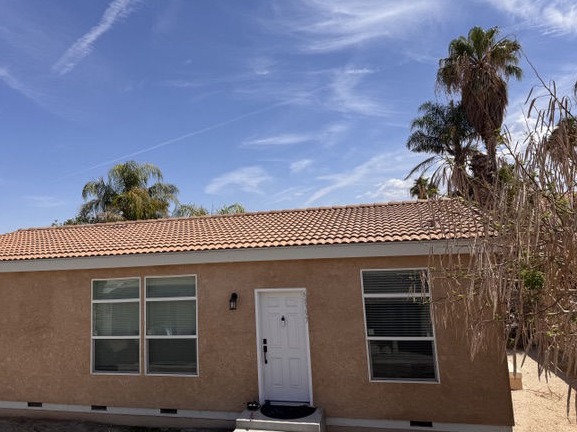
Planning an ADU in California?

The cost of an ADU depends on much more than the price of the home itself.

the Backyard Home Company helps California homeowners with manufactured ADUs from planning and engineering through permitting, foundation, delivery and installation.

If you're considering adding a backyard home to your property, we can help you understand the options and the costs involved.

Ready to Explore Your ADU Options?
Schedule a free consultation with Backyard Home Company.

Got Questions?

We offer manufactured ADUs in multiple floor plans, sizes, and bedroom configurations designed for California residential properties.

Yes. Depending on the selected model, homeowners can choose from available finishes, colors, fixtures, and upgrade options.

Yes. The Backyard Home Company manages permitting, engineering, planning, and project coordination as part of its complete design-build process.

Yes. Every project includes professionally engineered foundation solutions designed specifically for the selected home and site conditions.

Visit our All Floor Plans page or Compare Models page to see available layouts side by side.

Featured Articles

ADU Porche
Manufactured Homes as ADUs in California

Yes, a manufactured home can be an ADU in California. Learn how HUD Code manufactured ADUs work, including installation, permits, foundations, and regulations.

ADU Installation
ADU Cost in California

How much does an ADU cost in California in 2026? Learn about ADU construction, permits, foundation, utilities, site work, and manufactured ADU costs.

ADU built
Manufactured vs. Modular vs. Site-Built ADUs

Manufactured vs. modular vs. site-built ADUs: learn how they differ in construction, regulations, cost, timelines, and which option may fit your California property.

the Backyard Home Co.

We proudly serve homeowners throughout Southern California with complete design-build manufactured ADU solutions.